The Rise and Role of TLP
TLP emerged around 2015 as a political-religious force rooted in the Barelvi tradition, led initially by Khadim Rizvi and now by his son Saad Hussain Rizvi. The party quickly adopted a confrontational posture: mass mobilisation, street protests, and a willingness to bring the state to a standstill over perceived religious affronts.
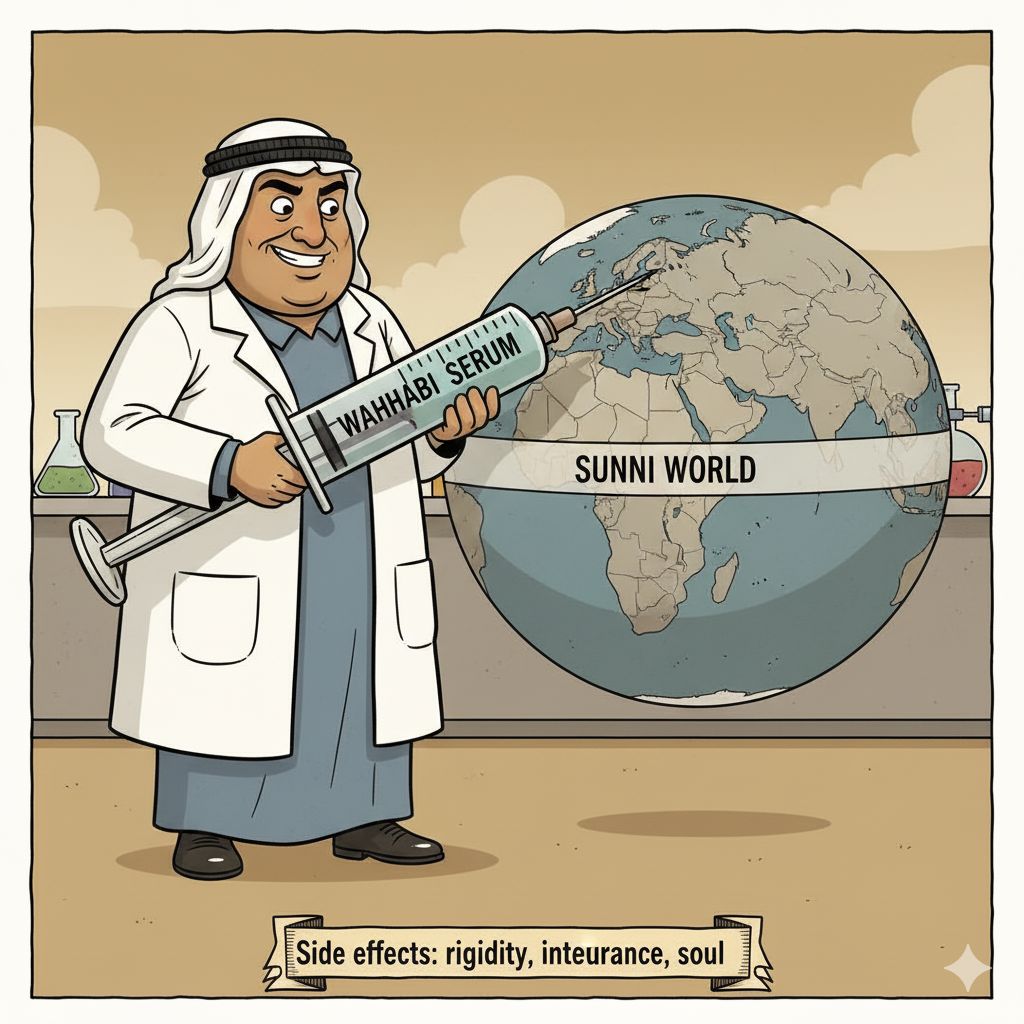
What’s critical to note: Although TLP claims inspiration from Barelvi devotional Islam, the Pakistani security-state views any large-scale street mobilisation outside its control as a threat. In other words: TLP is tolerated until it is too visible, too autonomous, too loud. At that point, the military and intelligence apparatus — steeped in Wahhabi/Salafi influences — act.
Repeated Crackdowns: A Timeline
Here are key episodes showing the pattern of protest → mobilisation → crackdown:
- 2018: A nationwide operation launched by police against the TLP after violent protests over acquittal of a Christian woman accused of blasphemy.
- 2024 (July): The “Faizabad sit-in” by TLP in Rawalpindi/Islamabad over Gaza solidarity. The sit-in ended with a government deal, but the show-of-force back-end sent a warning.
- 2025 (October): The recent major mobilisation “Labbaik Ya Aqsa Million March” from Lahore via Muridke toward Islamabad. According to various reports:
- Authorities imposed Section 144 in Rawalpindi (ban on gatherings).
- Internet/mobile data shutdowns in Islamabad/Rawalpindi.
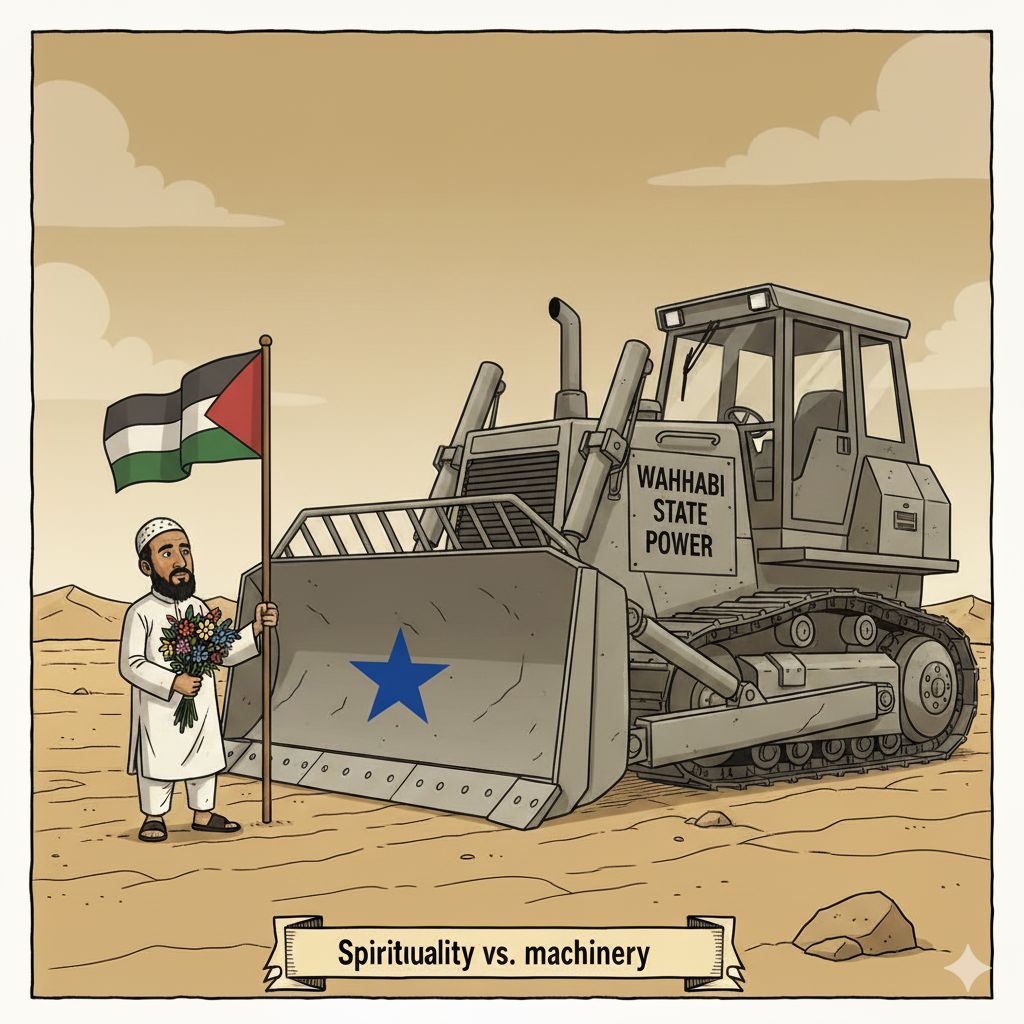
- A brutal predawn operation to dismantle TLP protest camp in Muridke.
- Reports of “armoured personnel carriers” used by Army/Rangers, live fire, dozens killed. Some sources say as many as 1000 people were shot at and killed that day.
Muridke & the Anatomy of the Crackdown
The Muridke episode is emblematic. TLP’s march was halted, but the means were not mere police containment. Multiple sources describe heavy military involvement, live fire, casualties. One analyst called it Pakistan’s “Lal Masjid moment” — reference to the 2007 military assault on Lal Masjid and Jamia Faridia in Islamabad.
From a structural standpoint:
- TLP mobilises outside state-sanctioned channels → state perceives loss of control → state uses military/police force to reassert control.
- The state narrative frames it as “violent protestors” or “clashes” but observers highlight disproportionate use of force by security agencies.
- After crackdowns, TLP is further delegitimised (e.g., proscribed, banned) and its leadership targeted.
Why TLP is Treated as a Threat
TLP’s theology and grassroots base differ from Salafi/Wahhabi strands, infact the barelvis are the anti-thesis of the wahabism.
TLP represents three things the security-state dislikes:
- Independent religious mobilisation — leads crowds, interrupts state order.
- Street power — protests, marches, physical presence.
- Challenge to foreign policy or state narrative — e.g., aggressive pro-Palestinian stance, demands for radical policy shift as the Pakistani army is all set to normalise ties with Israel in exchange for financial gains.
Thus, when TLP grows too bold, the state uses the military-intelligence apparatus to re-enforce discipline. Note: militarisation of crowd control signals the seriousness with which the Pakistani state views this.
The Gulf-Wahhabi-Military Nexus: Ideology Meets Strategy
Saudi & UAE Influence
The ideological overlay is not incidental. Saudi Arabia and the UAE have long exported Salafi/Wahhabi ideology, especially via funding of madrassas, clerical networks, religious charities, and also built strategic ties with Pakistan’s military. Some salient points:
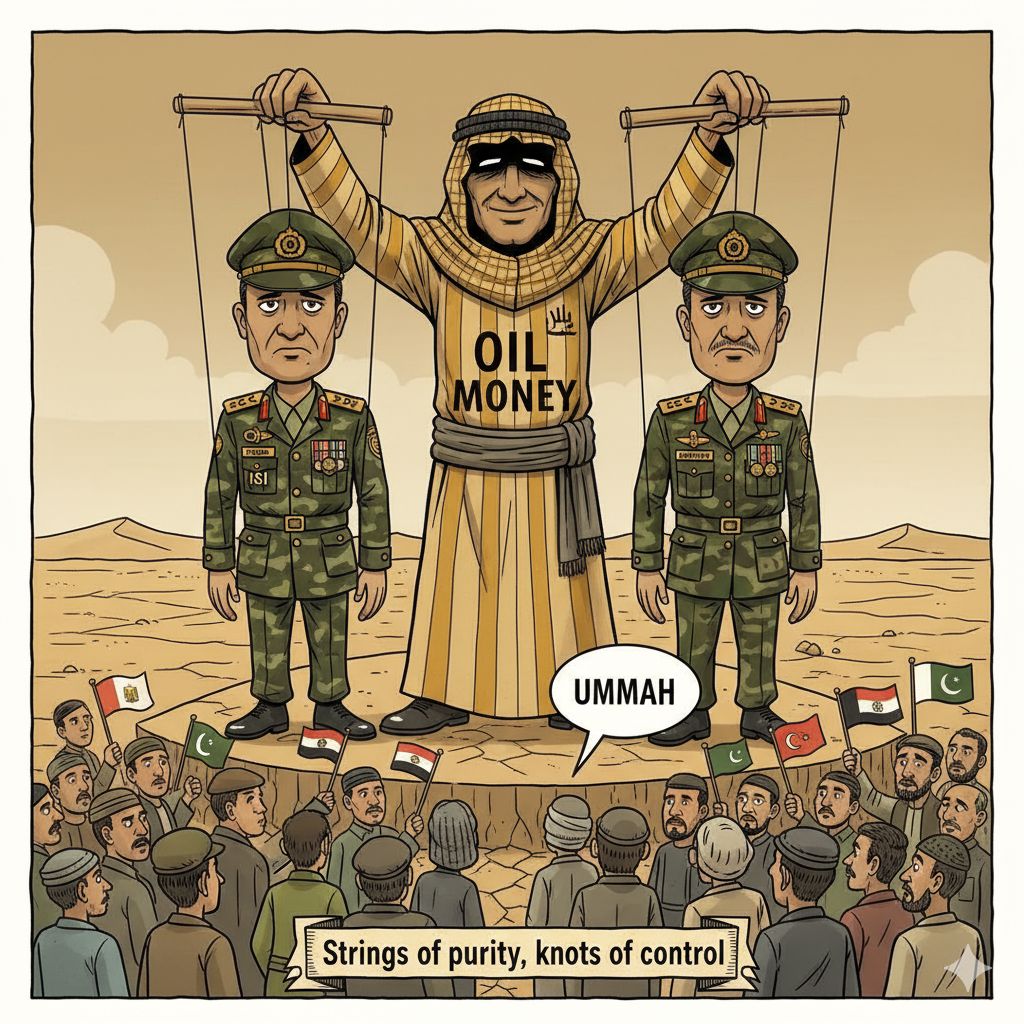
- On 17 September 2025, Pakistan and Saudi Arabia signed a Strategic Mutual Defence Agreement (SMDA), which frames aggression against one as aggression against both.
- Analysts see this pact as solidifying Gulf-Pakistan military cooperation; for Pakistan it offers financial lifeline and ideological alignment.
- Gulf states’ ideological influence in Pakistan manifests via religious training, funding of clerics, and relational pathways for Pakistani military elites (retirement roles, Gulf guardianship). While detailed open-source names are harder to confirm, the strategic literature affirms this pattern.
Military-Intelligence and Ideological Capture
The Pakistani military/ intelligence system is not ideology-neutral. Over decades it has been shaped by Zia-era Islamist policies, Gulf money and religious networks. The effect: many top cadres adopt Wahhabi/Salafi-inflected doctrinal mindsets or at least operate within that institutional culture. This matters when it comes to who gets tolerated and who gets crushed.
In practical terms:
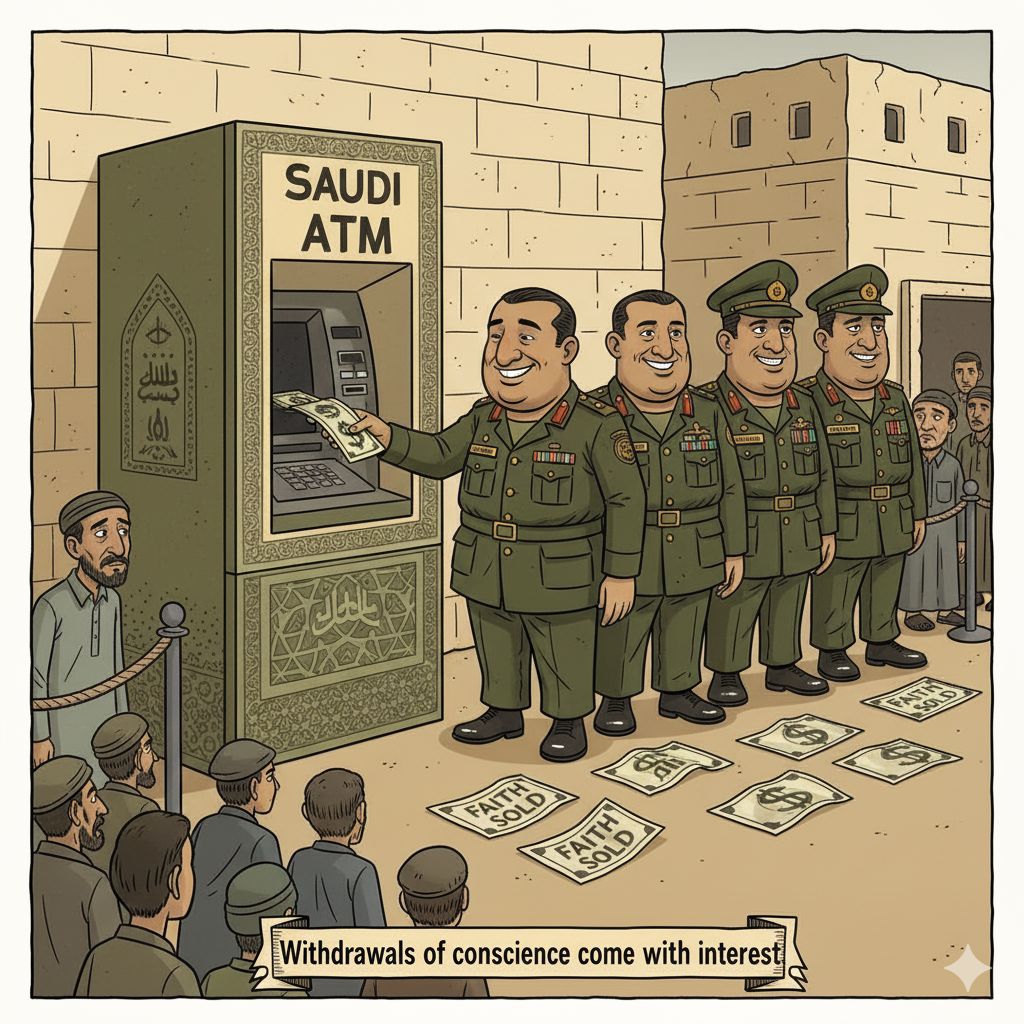
- Financial dependence on Gulf states (arms-procurement, investment, oil credit) creates leverage.
- Ideological alignment ensures the military state retains legitimacy in conservative-Islamic milieu.
- Religious parties that challenge the official narrative or claim independent mobilising power (even in traditional Sunni frameworks) become liabilities.
Why the Gulf-Pakistan Military Axis Matters
- The SMDA signals that Pakistan’s military is not simply a domestic force; it is networked into broader regional defence/ideological infrastructure.
- Gulf ideology and funding amplify the inclination toward hard-line suppression of unsanctioned religious movements, lest ideological competition emerge.
- When a party like TLP rises, the state sees not only a domestic threat but a challenge to its ideological monopoly — backed by its Gulf-infused credentials.
Connecting the Dots: Why TLP Gets the Gun-Barrel Treatment
Putting both strands together: The pattern of crackdown on TLP is not merely about law-and-order. It is about ideological control, strategic relationships and internal exclusion.
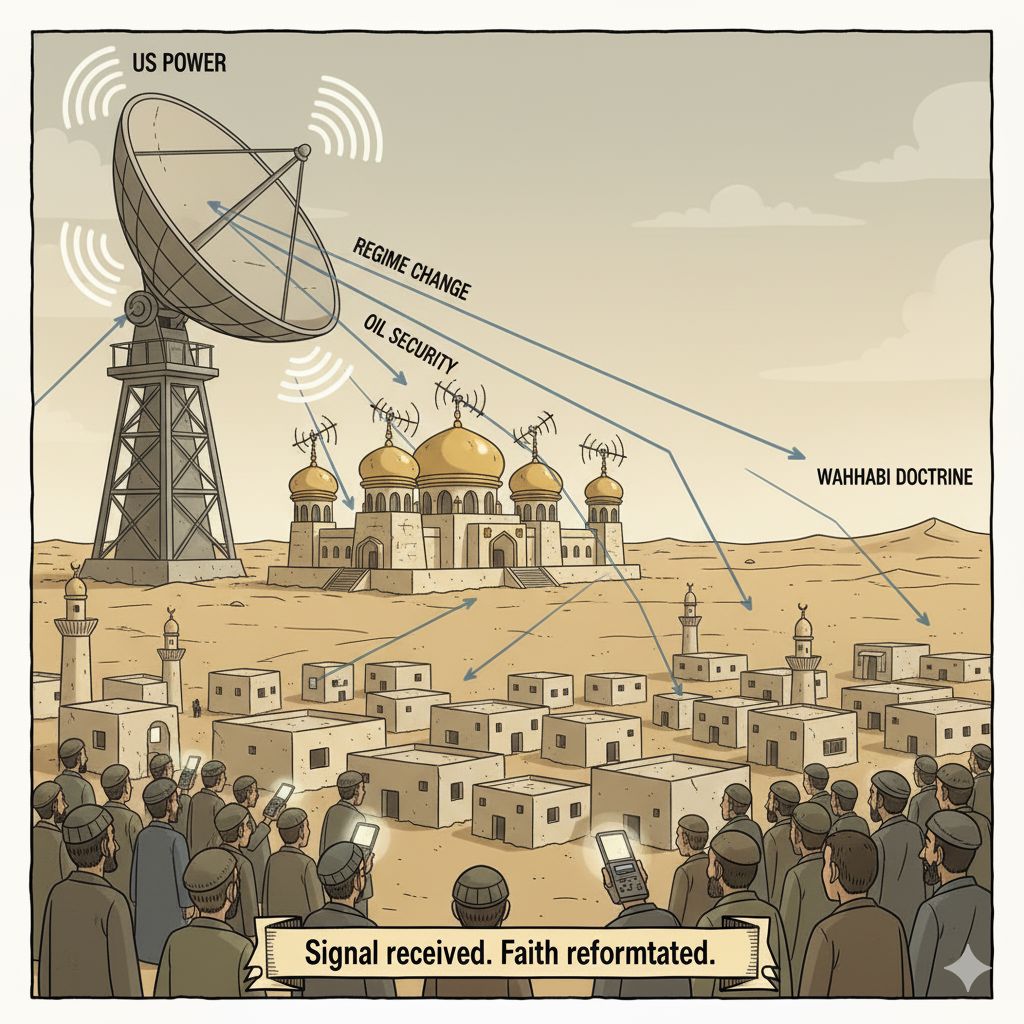
- Ideological divergence: TLP’s Barelvi-rooted mass movement is not part of the Wahhabi-Salafi-influenced network that the military and Gulf states favour.
- Street-power threat: When TLP mobilises large numbers, it reveals the state’s weakness: its inability to monopolise public religious expression.
- Strategic signalling: The Gulf-Pakistan defence pact signals that the military is embedded in a regional ideological alliance. By cracking down on TLP, the state signals to its Gulf patrons and internal factions: “We will keep the religious narrative under control.”
- Instrumental use and discard: There are periods when the state tolerated or even tacitly used TLP’s mobilisation to push religious agendas. But once TLP feels autonomous or threatens to tilt policy or public perception, the military steps in with force.
Hence the Muridke event becomes not an exception, but a case study in this dual logic: mobilisation → ideological threat → state violence.
References
Reports on the TLP Crackdown & Muridke Events
1. Al Jazeera – What’s behind Pakistan’s latest crackdown on religious party TLP? https://www.aljazeera.com/news/2025/10/17/whats-behind-pakistans-latest-crackdown-on-religious-party-tlp
2. India Today – Pakistan military crackdown on TLP protests in Punjab turns violent https://www.indiatoday.in/world/story/pakistan-military-crackdown-tlp-protests-punjab-violence-2803357-2025-10-15
3. The Diplomat – Pakistan cracks down on Tehreek-e-Labbaik Pakistan https://thediplomat.com/2025/10/pakistan-cracks-down-on-tehreek-e-labbaik-pakistan
4. AA (Anadolu Agency) – Pakistan begins crackdown against religious group TLP (2018 precedent) https://www.aa.com.tr/en/asia-pacific/pakistan-crackdown-begins-against-religious-group-tlp/1319833
5. Wikipedia Summary – 2025 TLP Protests (timeline, data shutdowns, casualties) https://en.wikipedia.org/wiki/2025_Tehreek-e-Labbaik_Pakistan_protests
—
⚔️ Saudi–Pakistan Defence Pact & Gulf Influence
6. Al Jazeera – Saudi Arabia signs strategic mutual defence pact with Pakistan https://www.aljazeera.com/news/2025/9/17/saudi-arabia-signs-mutual-defence-pact-with-nuclear-armed-pakistan
7. Drishti IAS – Saudi–Pakistan Defence Pact (Analytical Overview) https://www.drishtiias.com/daily-updates/daily-news-analysis/saudi-pakistan-defence-pact
8. Middle East Institute (MEI) – Pakistan’s Strategic Defense Pact with Saudi Arabia: A new architecture https://www.mei.edu/publications/pakistans-strategic-defense-pact-saudi-arabia-new-security-architecture-wider-middle
9. Chatham House – Saudi Arabia and Pakistan’s mutual defence pact sets precedent for extended deterrence https://www.chathamhouse.org/2025/09/saudi-arabia-and-pakistans-mutual-defence-pact-sets-precedent-extended-deterrence
—
Background on TLP and Barelvi Activism
10. Observer Research Foundation (ORF) – Tehreek-e-Labbaik Pakistan: The new face of Barelvi activism
https://www.orfonline.org/research/tehrik-e-labbaik-pakistan-the-new-face-of-barelvi-activism
 The Eternal Muslim
Leave a comment